

Staff Uniforms and Shop Apparel You Can Reorder Anytime
Staff uniforms and brand apparel for cafes, salons, shops and crews, plus a guide to logo placement, brand color and swag people keep. Reorder one at a time.

Same design, whole catalog
One logo, on the whole shop
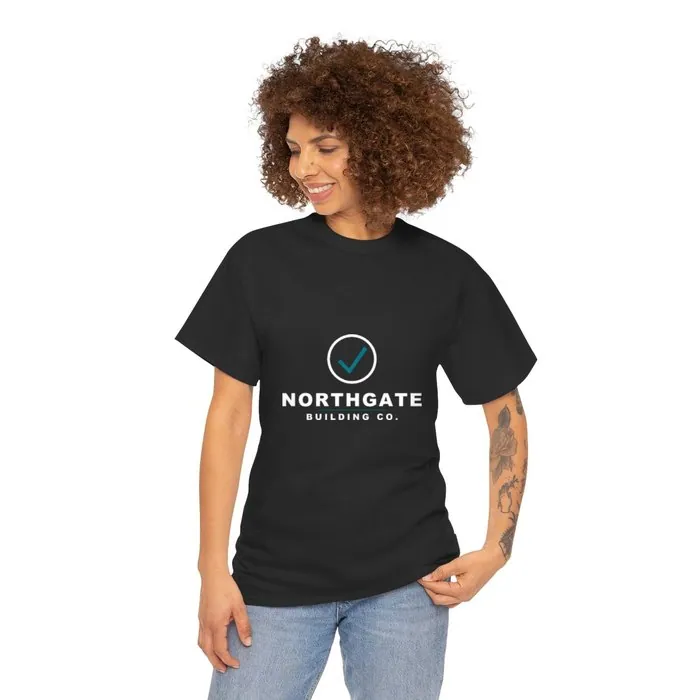
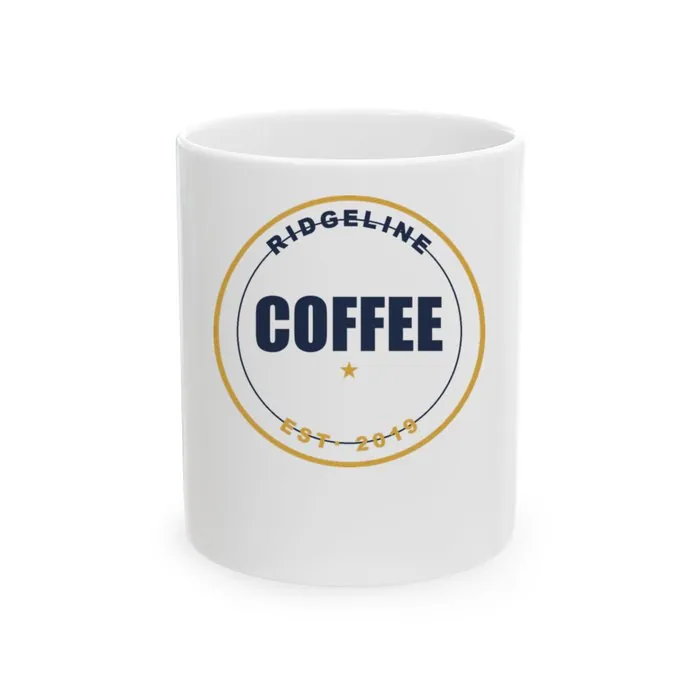
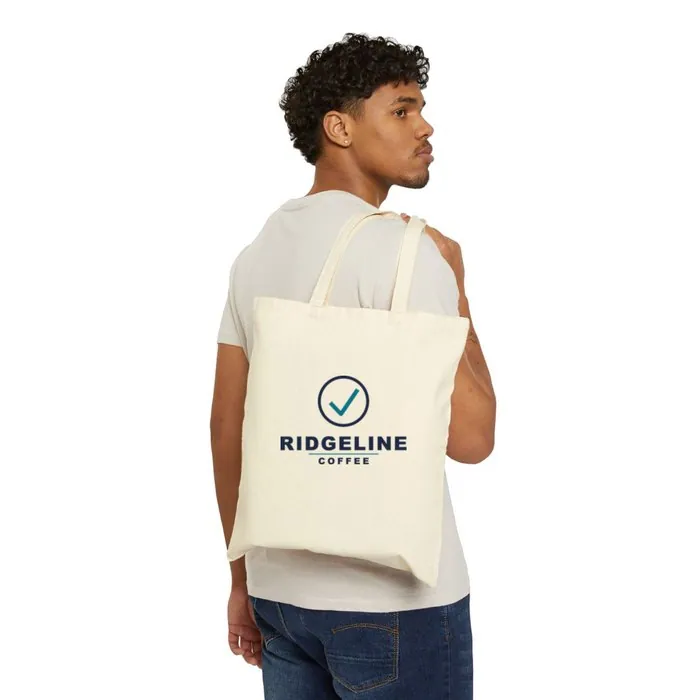
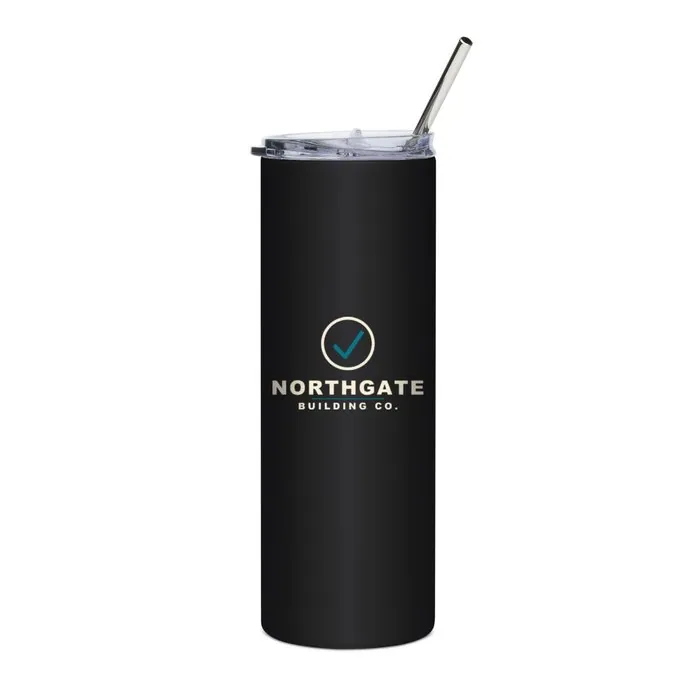
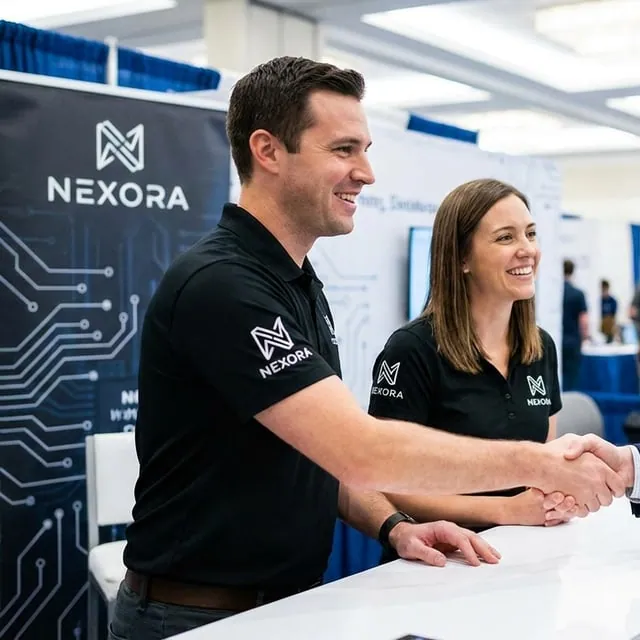
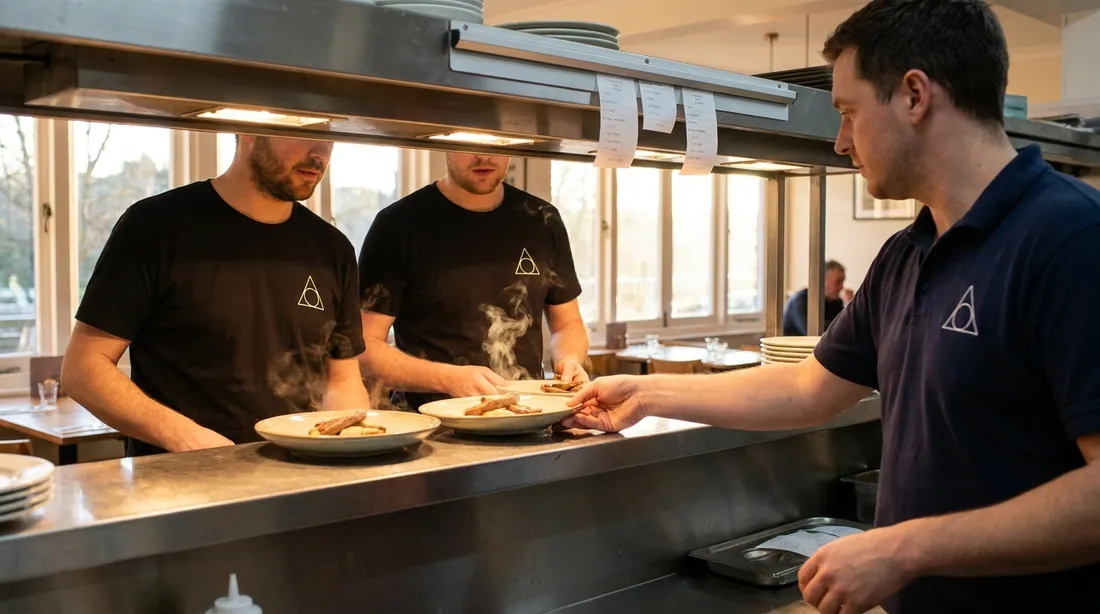
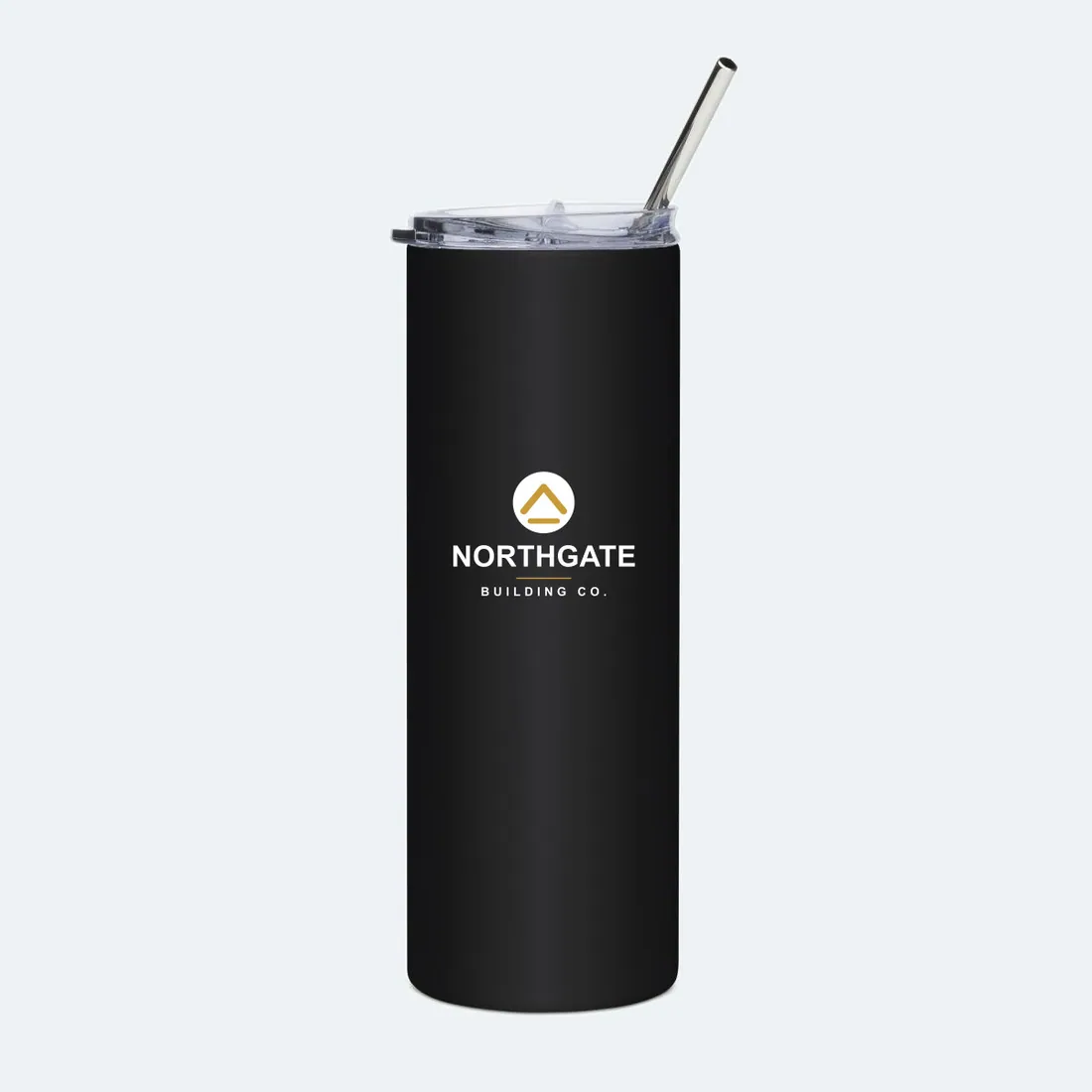
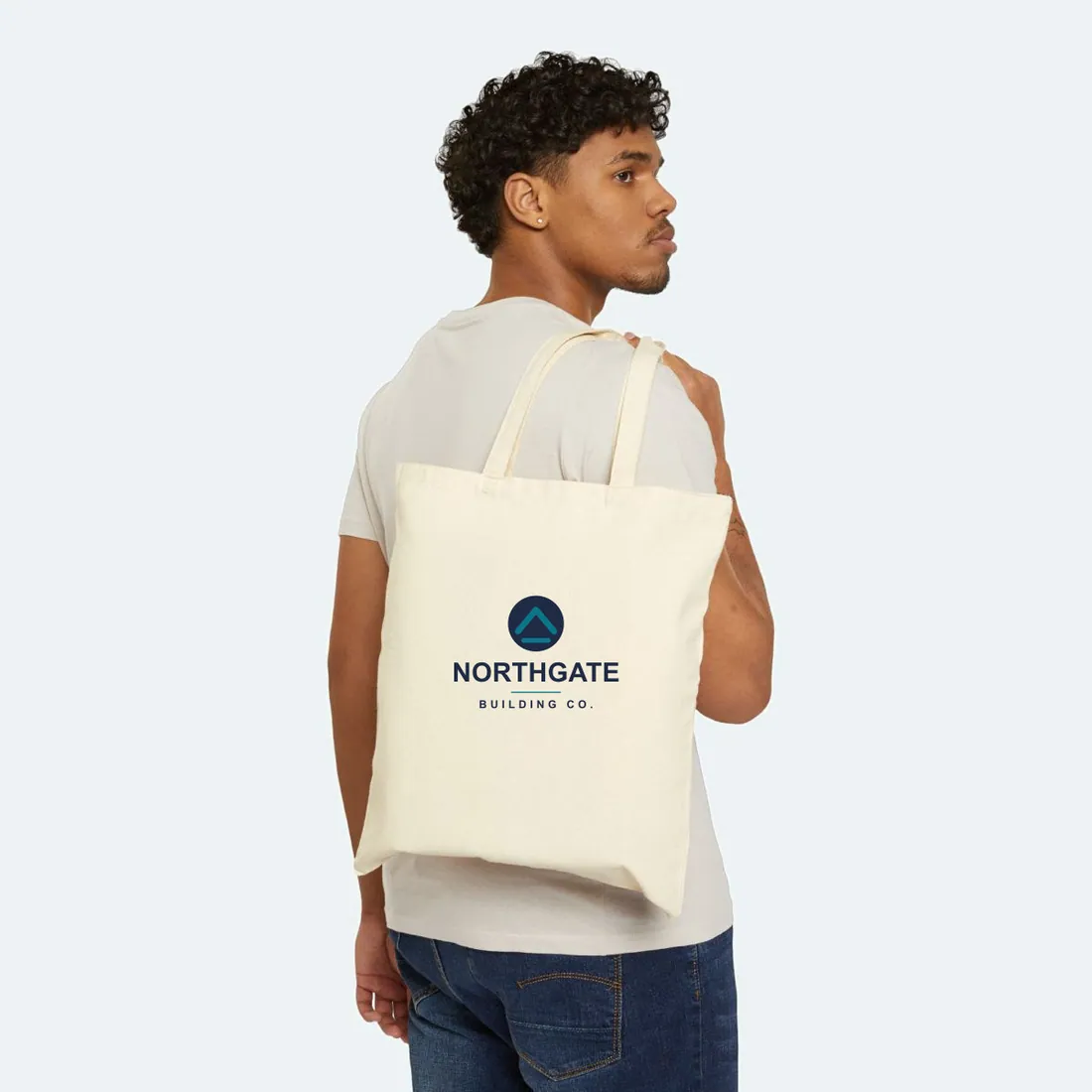
Polos for the floor, tees for the kitchen, totes for the counter, a tumbler for the truck. Reorder one at a time as people start.
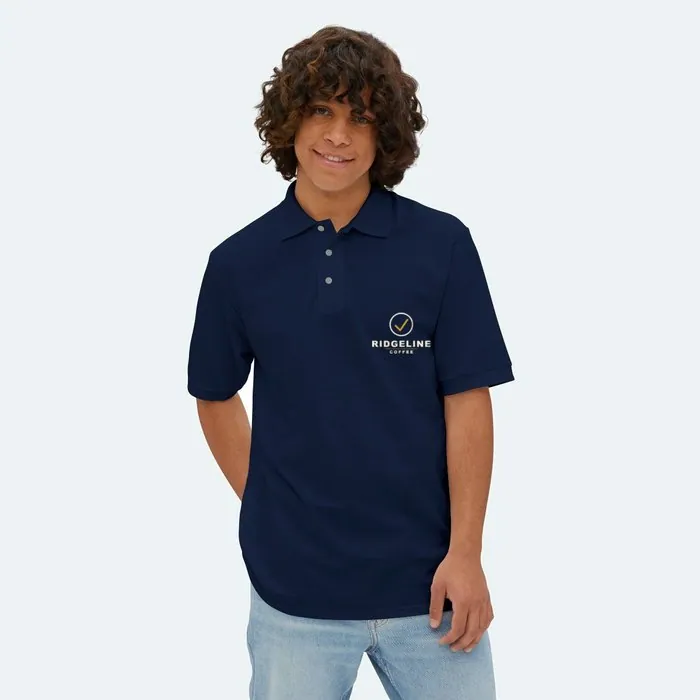
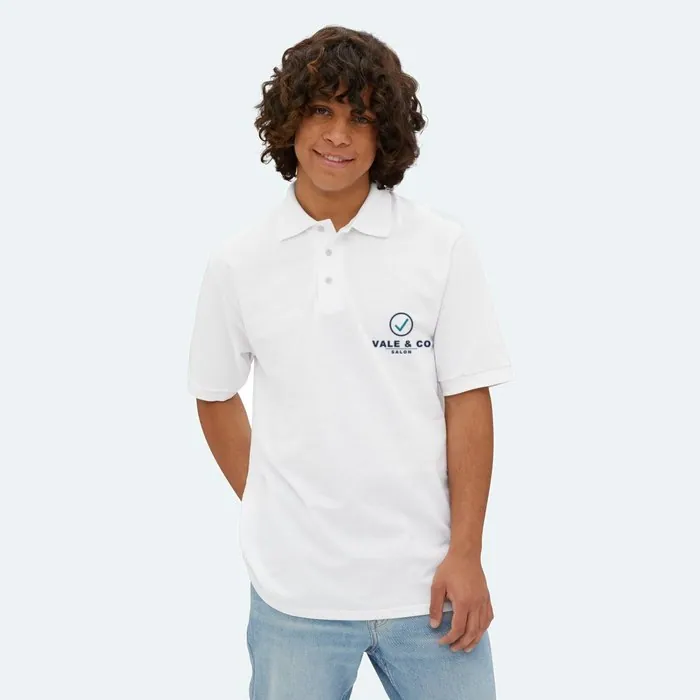
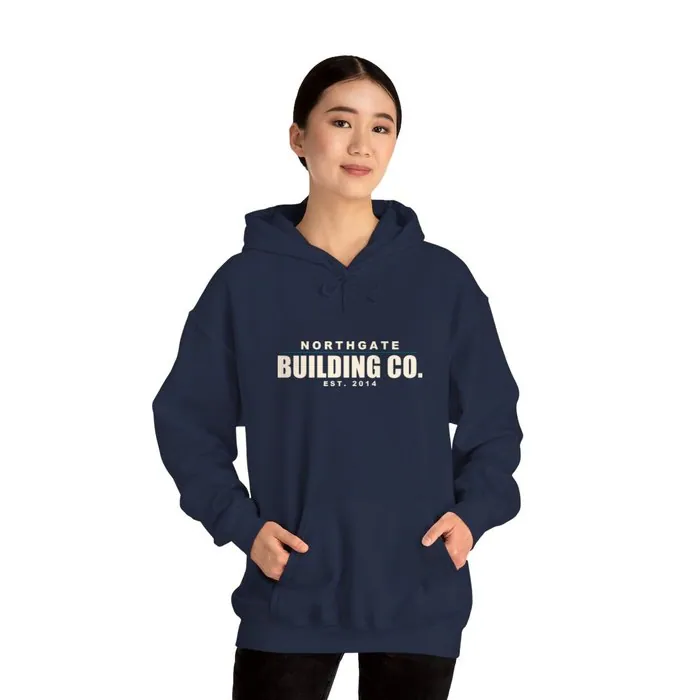
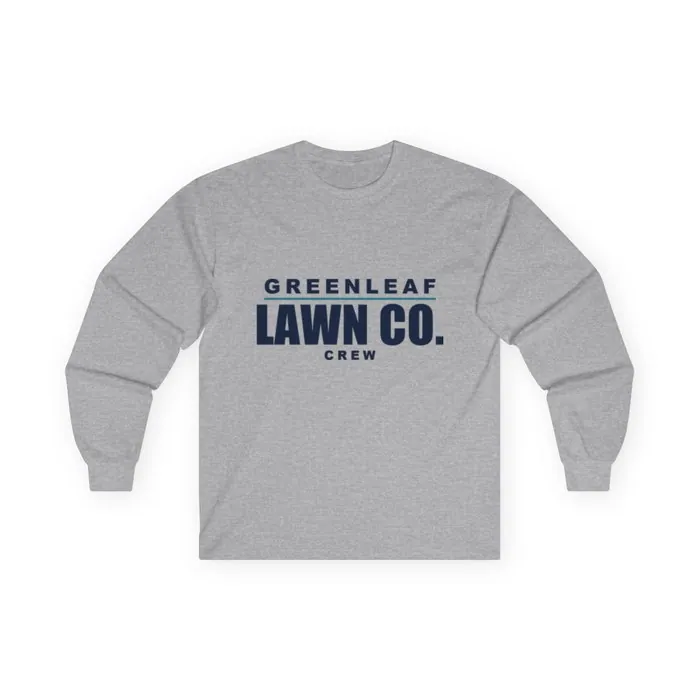
The schools, teams and businesses shown are examples. Start your own design, free, no card.
A staff shirt isn't a one-off event tee ordered for a single picnic - it's what the person behind the counter or the chair is wearing today, and what the next hire will need in a few months. Cafes, salons, shops, and trade crews need a steady way to look consistent without a bulk order or a garage full of leftover stock.
No Minimum Means No Commitment
There's no minimum order. One tee for a new hire is a real order, and so is a run of ten polos for the whole crew. Every size costs the same per item, so a 2XL doesn't cost more and doesn't get quietly skipped. That matters for staff apparel especially - people leave, people start, sizes vary - and none of it should require a purchase order. If your books do need one, your cart downloads a quote PDF to raise it against. To gather the crew's sizes, send a sizes link.
Match the Garment to the Job
- Adult tee ($14.38) - works behind a counter or on a kitchen line.
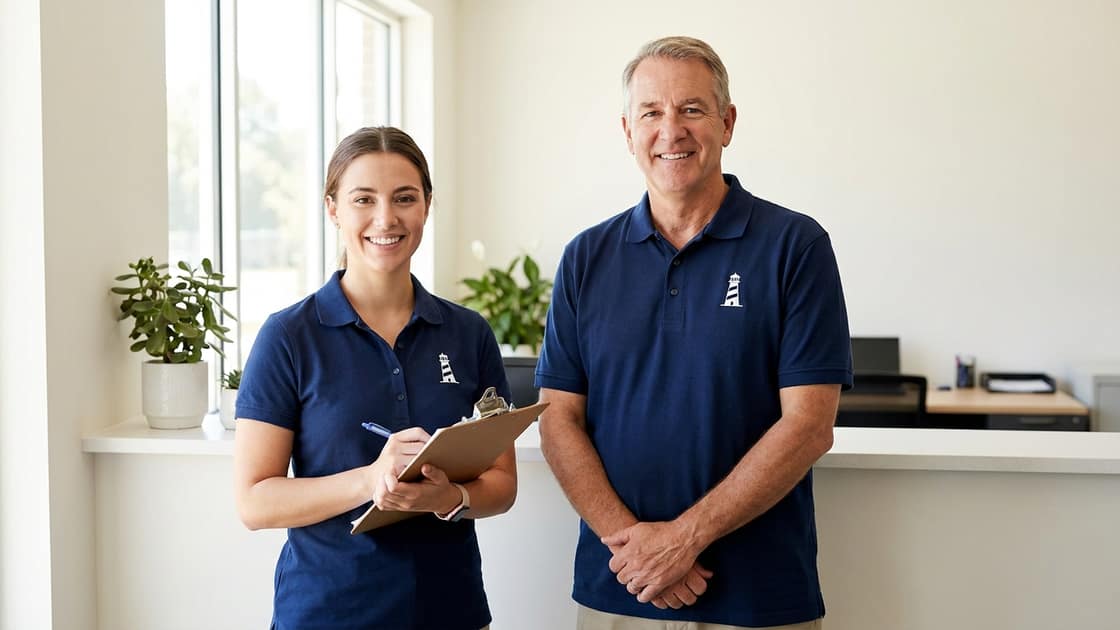
- Polo ($25.63) - reads more put-together for salons, retail floors, and anyone greeting customers. It's trimmer through the shoulders than the tee, so it layers cleanly under an apron or vest.
- Hoodie ($37.99) - covers trades and outdoor crews through cooler months.
- Long sleeve ($22.99) - fills the gap between.
All of it comes in Navy, Red, Royal, Black and White, so the whole team matches no matter which garment fits the role; the tee, hoodie and long sleeve add Sport Gray, Forest Green, Gold, Maroon, Purple, Carolina Blue and Kelly Green, and the tee and hoodie Orange as well. Full sizing and pricing sits on the products page, and a printed trucker or dad hat to match is on custom hats.
Try a Design, Then Try Another
Describe your shop name or logo in plain English, or upload artwork you already use, and refine it by asking for changes in chat - smaller, a different color, moved over an inch. Designing is free; you pay at checkout. With no minimum and nothing warehoused in advance, it's low-risk to test a design this season and switch it next if it stops feeling like you.
Keep a logo simple enough to read clean at shirt size, wherever it goes - front, back or sleeve. The first surface is included in the price; each extra one is $8.99 to $10.99 depending on the product.
How It Ships
Everything is printed to order by US print-on-demand partners, so nothing sits warehoused waiting on a reorder. Production typically runs up to 10 business days plus shipping, with tracking on every order. Shipping within the US is free, so a single tee for a new hire ships free the same as ten polos for the crew.
Custom prints can't be returned for a size ordered in error or a change of mind, but if something arrives wrong or defective, send a photo within 30 days of delivery and we'll reprint or refund it.
More Detail by Garment and Trade
Want fit and fabric details first? The custom polo and custom hoodie pages cover each garment in more depth. Outfitting a different kind of group? See custom apparel by occasion.
In a specific trade? We go deeper on what actually wears a shirt out in each one - see work shirts by trade for restaurants, salons, trades, auto shops, daycares, and more.
An office manager ordering 12 to 72 company tees, with sizes by link, is on custom company t-shirts.
What it looks like on the floor
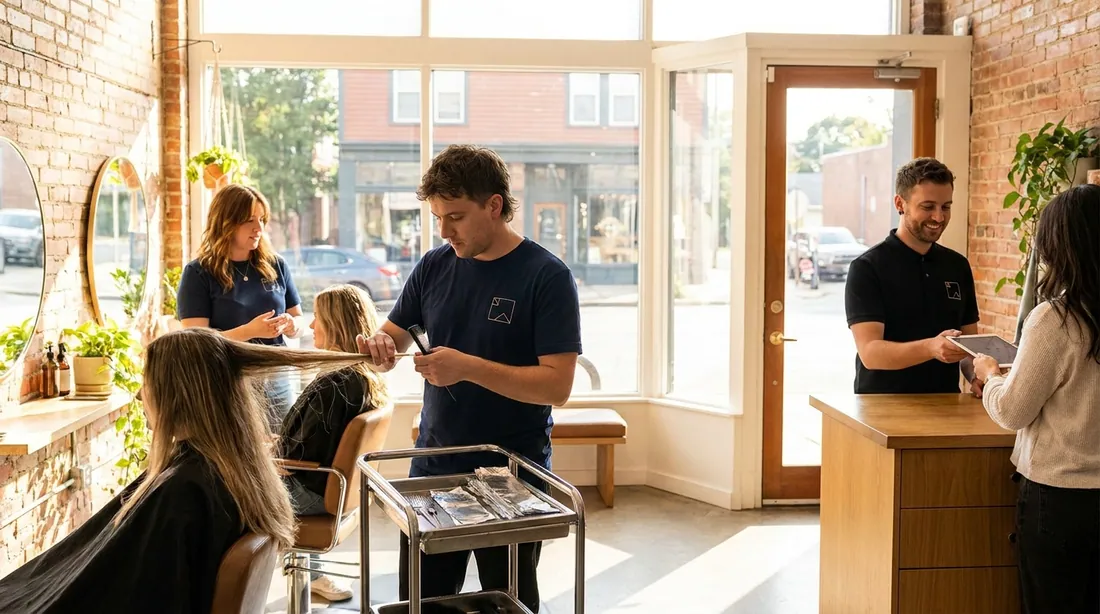 Salons and barbershopsA collar that reads put-together at the chair.
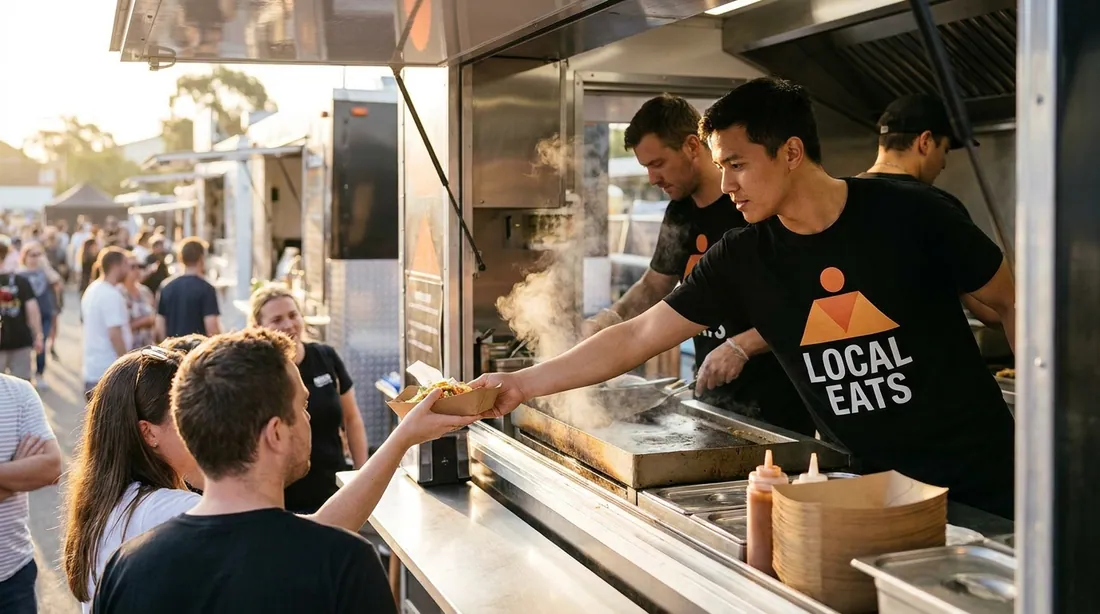 Food trucksTwo or three people, which is not a bulk order anywhere else.
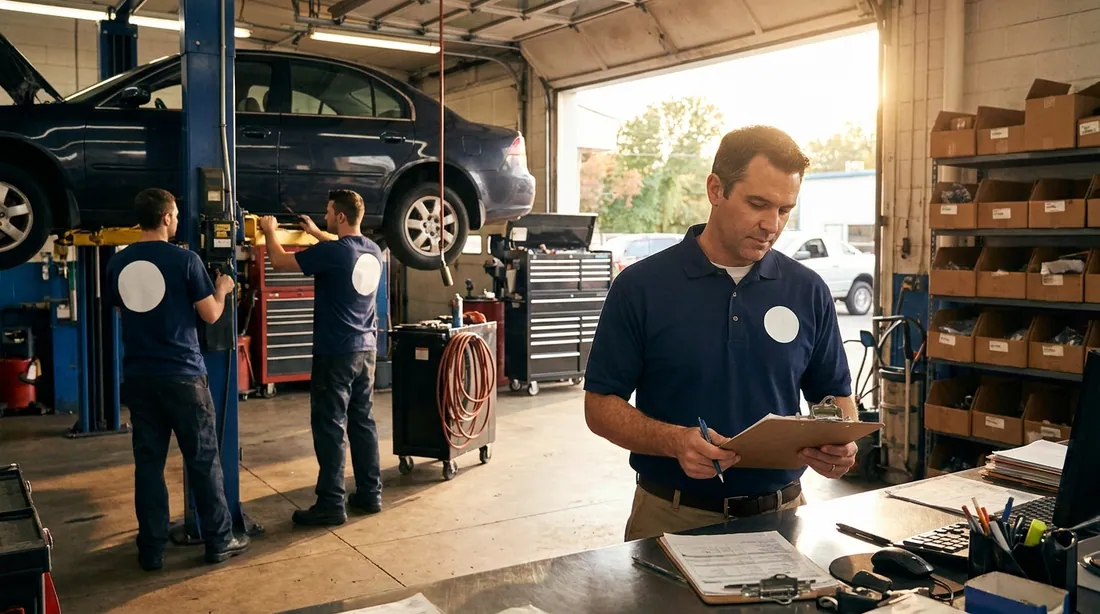 Auto shopsA polo for the counter, a tee for the bay.
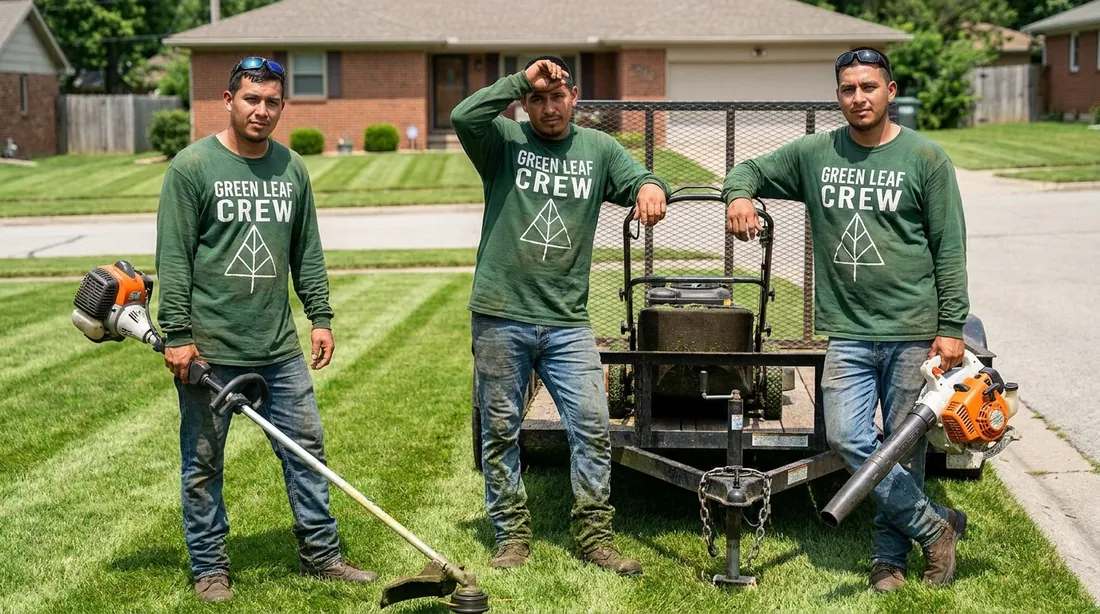 Landscaping crewsLong sleeves through the summer, hoodies from October.
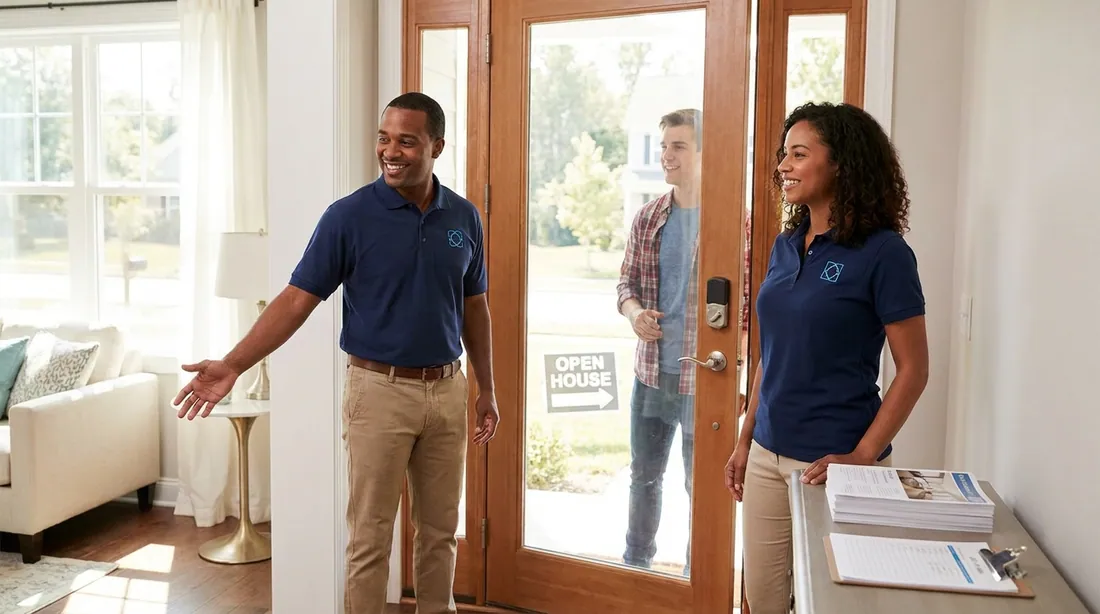 Real estateOpen house polos, reordered as agents join.
For owners, office managers and the person who orders
Designing staff and brand apparel people keep wearing
A staff shirt is your company at arm's length from a customer, every working day. A shirt nobody wears is money in the trash. Here is what makes staff clothes and gear worth keeping, what to watch for, and how to keep it consistent as the team changes.
What works
Left chest on the front, the message on the back
A left-chest logo is usually 2.5 to 5 inches wide, 4 inches the most common. The back is where a service line, phone number or web address can be read across a room or a job site.
A clear, visible logo
In a PPAI study, a clear logo or brand name was the thing most people said helped them remember who a printed item was for. Give the mark room; do not crowd it with slogans.
Things people want to keep
ASI's 2026 study found most people keep a printed item when it is useful, and put a printed tee at about 3,500 impressions over its life. Usefulness, enjoyment and looks mattered about equally - so a shirt people wear off-duty is worth more than a cheap one they do not.
Source: ASI 2026 ad impressions study; ASI 2026 study: t-shirts
One mark, the same everywhere
The same logo, colors and placement across the tee, the polo, the cap and the tumbler make a small team look established. Save the design once and reuse it for every product.
The polo for customer-facing roles
A polo reads more put-together at a counter, a chair or a booth; tees suit kitchens, crews and back of house. Both take the same logo.
What to watch for
Stretching or crowding the logo
Brand guidelines set a clear space around the mark and a minimum size below which it stops being legible. A logo squeezed onto a cap or chest breaks both.
Source: Johns Hopkins Medicine: logo clear space and minimum size
Upload your transparent PNG or SVG, or let Remi pull your logo and colors from your website - it uses them only after you say yes. Keep the mark at or above your guide's minimum size on the chest.
Expecting an exact Pantone match
Direct-to-garment printing mixes color from a small ink set on dyed fabric, so it gets close to a brand color but cannot promise a Pantone match; spot colors and metallics are hardest.
Source: DTGMerch: color accuracy in DTG; Graphics Pro: Pantone matching in DTG
With no minimum, order one shirt first and check it in daylight before you order for the whole team.
Treating a bright tee as safety gear
Road and traffic work calls for high-visibility apparel certified to ANSI/ISEA 107, which needs reflective material and a label. A safety-colored printed tee is not that.
Source: OSHA interpretation on high-visibility apparel
Our shirts are for branding and off-road crews. For roadside work, wear certified hi-vis vests - over your branded shirt if you like.
Hot kitchens and heavy fabric
Heavy cotton is comfortable and prints vividly, but it holds heat on a line or in a salon. Cotton-rich fabric is also what direct-to-garment ink prints best on.
Source: Gelato: fabric blend and print quality
Pick the garment for the role - tees behind the line, polos out front, hoodies and long sleeves for outdoor crews in cooler months - with one design across all of them.
Assuming it is all tax-deductible
The IRS treats work clothes as deductible only when they are required and not suitable for everyday wear, and caps the deduction for business gifts per recipient per year, with narrow exceptions.
Source: IRS Publication 529; IRS Publication 463
We cannot give tax advice. Keep your receipts - every order has one - and ask your accountant how your uniforms and gifts are treated.
Gear nobody keeps
In a 2026 survey of corporate buyers, most judged success by whether people chose to wear or use the items, and nearly half said seeing cheap printed gear thrown away pushed them toward better quality.
Source: ASI: Custom Ink corporate buyer survey
Design something people would wear on a weekend: a smaller, tasteful mark and a garment that fits. Ask Remi for a subtle version alongside the bold one and compare.
How to approach it
Write the brief
What it is for (uniform, event, gift, the team's own gear), your logo file and brand colors, the working conditions, how many people and roles, and the date.
Lay it out
A left-chest logo and a back print, tried on the garments and colors you are choosing between.
Get sign-off
Send a For approval share link to the owner or whoever keeps the brand, and check it against your brand guide.
Order a sample
One shirt costs nothing extra to order. Check the color and fit in daylight before the full run.
Order and keep the design
Collect a size per person and order. The design stays saved in your account for the next hire. Production takes up to 10 business days, then free tracked shipping. Count back from the day the shirts have to be worn, not the day you decide.
Questions
Can I order one shirt for a new hire later?
Yes. There is no minimum and your designs stay saved in your account, so a single shirt for a new starter is a normal order with free shipping.
Will the print match our brand's Pantone color?
It will be close, not exact - direct-to-garment printing cannot promise a Pantone match. Order one shirt first and check it before you order for the whole team.
Where should the logo go on a staff shirt?
Most businesses use a left-chest logo on the front, usually 2.5 to 5 inches wide, and put a larger logo, service line or web address on the back.
Are staff shirts tax-deductible?
We cannot give tax advice. The IRS rules depend on whether the clothing is required and suitable for everyday wear, and business gifts have their own limit - ask your accountant.
Sources (12)
- Printify: t-shirt design placement guide
- PPAI: a clear logo is what people remember
- ASI 2026 ad impressions study
- ASI 2026 study: t-shirts
- Johns Hopkins Medicine: logo clear space and minimum size
- DTGMerch: color accuracy in DTG
- Graphics Pro: Pantone matching in DTG
- OSHA interpretation on high-visibility apparel
- Gelato: fabric blend and print quality
- IRS Publication 529
- IRS Publication 463
- ASI: Custom Ink corporate buyer survey
Read September 2026. This is general guidance, not legal or tax advice.